Our Blog

Good Debt vs. Bad Debt
“Understanding the distinction between good debt and bad debt is essential for financial empowerment. Good debt enriches your future, while bad debt burdens it.”
Introduction:
Debt is a financial tool that allows individuals and businesses to borrow money to achieve their financial goals. However, not all debt is created equal. Some debt can be considered "good debt," while other debt is known as "bad debt." Understanding the difference between the two can help you make better financial decisions and avoid unnecessary financial stress.
Good Debt
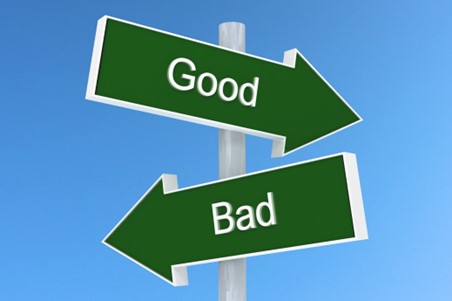
Good debt is an investment that is likely to increase in value over time or has the potential to generate income.
Examples of good debt include student loans, mortgages, and business loans. These types of debt are investments that can help you achieve long-term financial goals, such as earning a degree, owning a home, or starting a business.
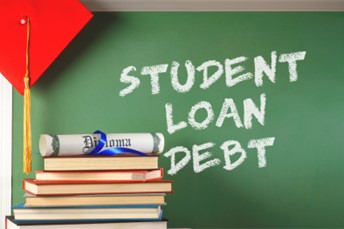
Student loans are a common form of good debt. By investing in education, individuals can increase their earning potential and improve their career prospects. While student loans can be costly, the long-term benefits of earning a degree often outweigh the cost of borrowing.
Similarly, a mortgage is considered good debt because it allows you to invest in a home, which is likely to increase in value over time. Homeownership can also provide a stable living environment and the ability to build equity. While a mortgage may involve a large initial investment, it can lead to significant long-term financial benefits.
Business loans are another type of good debt. By borrowing money to start or expand a business, entrepreneurs can create new opportunities for income and growth. While there are always risks associated with starting a business, taking out a loan can provide the financial support needed to achieve long-term success.

Bad Debt
In contrast, bad debt is any debt that is used to finance purchases that are unlikely to increase in value or generate income. Examples of bad debt include credit card debt, car loans, and payday loans. These types of debt are often associated with high-interest rates and can quickly spiral out of control, leading to financial distress.
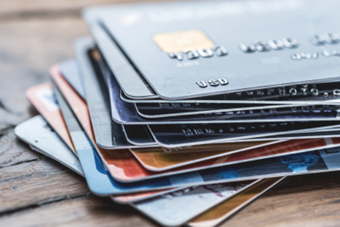
Credit card debt is one of the most common types of bad debt. Credit cards often come with high-interest rates, and many individuals use them to finance non-essential purchases, such as vacations or shopping sprees. While
it may be convenient to use a credit card for these types of purchases, it can quickly lead to a cycle of debt that is difficult to break.
Car loans are another form of bad debt. While it may be necessary to borrow money to purchase a vehicle, cars typically decrease in value over time, making it difficult to recoup the initial investment. Additionally, car loans often come with high-interest rates & payments, which can add up over time and lead to financial stress.
Payday loans are perhaps the most dangerous type of bad debt. These loans often come with exorbitant interest rates and are designed to prey on individuals who are in desperate need of cash. While payday loans may provide a short-term solution to a financial problem, the repayment plans make it hard to get ahead & pay off your initial borrowings.
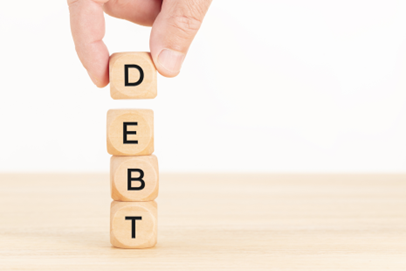
How is debt considered when purchasing a property?
When applying for a mortgage, the lender will always look at your credit history & debts. Your debts balances are added to your application and are calculated differently depending on the type of debt. The calculation rules also vary between lenders, but here are some general guidelines:
Credit Cards = 3% of balance
Unsecured Personal Line of Credits = 3% of balance
Personal Loans & Vehicle Loans = Total monthly payment
Student Loans not in repayment = 1 to 3% of balance
Student Loans in repayment = Total monthly payment
Secured Line of Credit (HELOC) = Balance amortized over a 25 year period
Other mortgages = Total Principal & Interest payment
In general, it is important to avoid bad debt whenever possible. While it may be tempting to use credit cards or take out loans for non-essential purchases, it can quickly lead to financial problems that are difficult to overcome. Instead, focus on building good debt that can help you achieve long-term financial goals and improve your overall financial health. One of the keys to managing debt effectively is to create a budget and stick to it. By tracking your expenses and prioritizing your financial goals, you can make informed decisions about when and how to borrow money.

Additionally, it is important to educate yourself about the terms and conditions of any loans or credit cards you are considering, and to avoid borrowing more than you can realistically afford to repay.
In conclusion, good debt and bad debt are two very different financial tools that can have a significant impact on your overall financial health. While good debt can help you achieve long-term financial goals and improve your overall financial health, bad debt can quickly lead to financial stress and hardship. It's important to carefully consider the purpose of any debt, the interest rates, and your ability to repay the debt before taking on any financial obligations. By focusing on building good debt and avoiding bad debt, individuals and businesses can work towards a more secure financial future. Remember, debt can be a tool, but it's important to use it wisely.

Every Financial Solution, All In One Place
Purchases & Pre-Approvals
Our experts will qualify you instantly then guide you accordingly and get you approved for your home purchase.
Mortgage Refinancing & Renewals
Is your mortgage renewal coming up soon? Or perhaps you need some extra money? We will help you get the lowest rate and most suitable product in the market for your needs.
Home Equity Line of Credit
Do you require a line of credit that you can draw funds from on demand? We have access to the lowest interest rates in Canada on HELOCs!
Debt Consolidation & Poor Credit
If you have less than stellar credit or are currently a homeowner carrying high interest rate debt, we can help you save money!
Self Employed & Private Mortgage
Your income is different. Your mortgage should be too. We design lending solutions specifically for self-employed and non-traditional borrowers.
Construction & Renovation Loans
Building your dream home or planning a major renovation? Let’s bring it to life.
Quick Application
Click below to fill out a simple application in just a few minutes from anywhere or book a quick call with us!
Get Approved
Our team reviews your details to ensure accuracy and provides a fast mortgage approval, so you can move forward confidently.
Hold Your Rate
We'll help you find the right mortgage product at the lowest rate, ensuring you get the right deal for your unique needs.
Ready To Get Started?
OUR PARTNers


& many more
Why choose Easy Mortgage? Hear it straight from our clients.
Scan The QR Code To Download Our App!
Download our mobile app and get access to mortgage tools to help you plan your next purchase, renewal or refinance.
COMPANY
TOOLS
CONTACT
LEGAL
BRX Mortgage Inc. | FSRA #13463
FOLLOW US


© 2025 Easy Mortgage Canada. All Rights Reserved.